At Gerber Law Group, we know how confusing truck accidents can become. Many victims assume fault begins and ends with the truck driver. However, that is not true. Several other parties could be liable – at least partially. Commercial trucking operates through networks of companies, rules, contracts, and insurance policies. This means that when a crash happens, responsibility may extend far beyond the person behind the wheel.
Understanding who can be held liable in a Florida truck accident directly affects how recovery works. Medical bills do not wait, and the lost income becomes stressful quickly. Families need answers that feel practical, not legal jargon that makes things harder to understand. Let’s explore how liability works for a truck accident in Florida and what victims should know after a serious trucking collision.
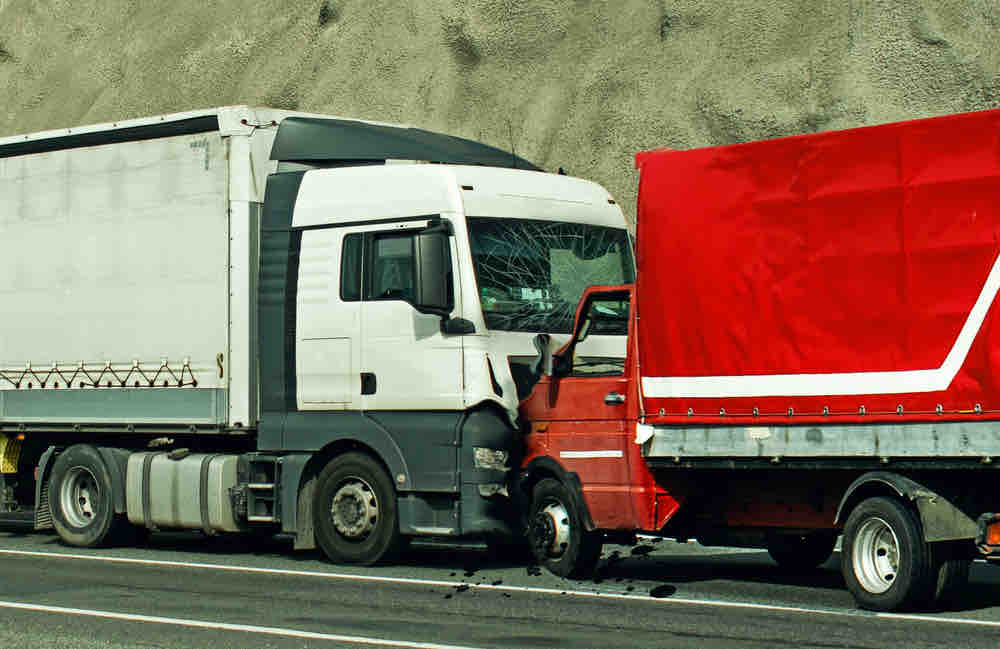
Why Truck Accidents Feel So Different From Normal Crashes
People often compare a truck accident to a regular car accident, but there are too many differences. For one, commercial trucks weigh much more than passenger vehicles. Even at moderate speeds, the force involved can cause severe injuries. The physical difference changes everything about how the aftermath unfolds.
Florida roads carry a large volume of freight traffic. Interstate routes are filled with long-haul trucks moving goods across the state and beyond. Delivery vehicles navigate crowded urban areas while local traffic moves around them. Most days this works smoothly – occasionally it does not.
When something goes wrong, the consequences tend to be serious. Injuries are often extensive, recovery takes longer, and the insurance claims become more complicated because commercial carriers usually have large policies and experienced legal teams involved from the beginning.
Another major difference involves regulation. Truck drivers and trucking companies must follow strict federal safety rules. This includes maximum driving hours, maintenance, inspections, and cargo handling procedures. These rules exist because the risks are high. A truck accident can be catastrophic, and there are rules to prevent such an incident. If the rules are ignored, the results can be devastating. Driver error might be one factor, yet company policies, poor maintenance, or bad scheduling decisions can play an equally important role.
How Truck Accidents Commonly Happen
No two crashes are exactly alike, but certain patterns appear repeatedly when cases are investigated closely. Fatigue remains one of the biggest concerns in Florida truck accidents. Long hours behind the wheel reduce reaction time and judgment even when a driver believes they are still alert. Delivery deadlines can increase pressure and lead drivers to push past safe limits.
Distraction is another issue. Modern trucks contain navigation systems, communication devices, and electronic logs that can compete for attention. Looking away for a second can change everything.
Maintenance failures show up often in serious accidents. Worn brakes, tire blowouts, steering problems, and mechanical issues do not happen overnight because, usually, there are warning signs. If inspections are rushed or repairs delayed, risk builds until something fails on the road.
Improperly loaded cargo can create instability, especially during sharp turns or sudden stops. Weather, heavy traffic, and road construction sometimes contribute as well, but many crashes are caused by human decisions.
Who Can Be Held Liable In A Florida Truck Accident?
When people first ask about truck accident liability in Florida, they usually think it will be one party who caused the accident. However, the legal answer is not that simple. In truck accident cases, responsibility is often spread across different people and companies who may never even be at the crash scene.
To give you an example, a decision made days earlier in an office or maintenance shop can end up being just as important as what happened in the seconds before impact. Looking at the full chain of responsibility helps us understand what went wrong and who should be held accountable.
Truck Driver
Drivers carry direct responsibility for operating their vehicles safely. Any speeding, distraction, aggressive driving, or impairment can clearly establish fault. Fatigue is particularly important in trucking cases because federal rules limit how long someone can drive without rest. If those limits are ignored, liability becomes easier to prove. Something as simple as a missed rest break or pushing through exhaustion to meet a deadline can reduce reaction time and impair judgment.
However, focusing only on the driver can miss larger issues and weaken your case. If you focus on the driver when other parties are at fault, then you may be leaving compensation on the table.
You must keep in mind that truck drivers do not work in isolation. They operate in systems created by companies and managers whose decisions shape what happens on the road. Sometimes drivers feel pressure to keep moving even when conditions are unsafe. Understanding that pressure often becomes part of the legal picture.
Trucking Company
Companies that own or operate commercial trucks play a major role in safety. The trucking company also needs to schedule their trips in a way that the truck driver and vehicle are not exhausted.
If a company hires drivers without proper screening or ignores safety concerns, responsibility can extend directly to the organization. Companies are expected to monitor performance and enforce safety policies. They must also respond to warning signs before problems grow.
Some companies set tight delivery schedules that encourage risk-taking. Even without explicitly telling drivers to break rules, unrealistic expectations can lead to dangerous behavior.
Maintenance responsibilities also fall heavily on trucking companies. Commercial vehicles require regular inspections and timely repairs. When maintenance is skipped or delayed, the consequences can be severe. Records showing ignored inspection reports or delayed fixes often become key evidence during an investigation. In many cases involving Florida truck accident liability, company conduct becomes one of the most significant areas of investigation.
Truck And Parts Manufacturers
Mechanical issues with the truck sometimes contribute to crashes. When brakes fail unexpectedly or tires blow out at highway speeds, investigators may examine whether a defective product played a role. Manufacturers can be held accountable if design flaws or production problems created dangerous conditions. Even a small defect can create major safety issues once a heavy commercial vehicle is on the highway.
These cases often require technical analysis, but they can open additional paths for compensation because manufacturers typically carry substantial insurance coverage. Specialists may be brought in to study damaged parts and determine whether something failed long before the accident occurred.
Logistics Companies
Modern trucking frequently involves outside companies that coordinate shipments rather than operating any trucks. Freight brokers help arrange deliveries, connect drivers with cargo, and influence scheduling. Their decisions often shape how fast a delivery needs to happen and which carrier gets the job.
If a broker knowingly hires unsafe carriers or sets impossible deadlines that encourage unsafe driving practices, liability may extend to them as well. This area continues to evolve legally, yet it reflects the reality that decisions made far from the roadway can still affect safety. When speed and efficiency are prioritized over safety, risk increases for everyone sharing the road.
Government Entities
Victims often forget that government entities can also be liable for their crash. For example, road conditions sometimes contribute to serious crashes, and it is the government’s responsibility to keep roads safe. Poor design, missing signs, inadequate maintenance, or unsafe construction zones may create hazardous circumstances.
When anything like this happens, government agencies may be held liable. After all, they are responsible for roadway safety. As a result, they may share fault. These situations are less common, but they do occur, especially when there is a history of similar accidents in the same area. Our attorneys can help you uncover facts related to other accidents in the area or other patterns that may match your case.
Claims involving public entities follow special legal procedures and strict timelines. Early action becomes especially important in these situations because waiting too long can limit your legal options. Investigating roadway design, repair history, and prior complaints can help determine whether unsafe conditions played a role in the accident.
How Florida Law Handles Shared Responsibility
Florida uses a comparative negligence system. This means fault can be divided among multiple parties. An accident might involve responsibility from the driver, the trucking company, and another outside party all at once.
This system highlights how important investigation is in Florida truck accident cases. Identifying every responsible party can significantly affect compensation. Truck accident cases often involve several insurance policies, and understanding how they overlap requires careful legal analysis.
Federal regulations also influence liability. Rules governing hours of service, vehicle inspections, maintenance records, and cargo handling create measurable standards. When those rules are broken, evidence becomes much stronger. Driver logs, electronic data, maintenance reports, and internal communications often reveal what really happened behind the scenes.
What To Do After A Truck Accident
There is no question that your safety and the safety of others involved in the crash are the top priorities. This means that medical attention should always come first, especially since medical records are important evidence in truck crash cases. Once immediate medical needs are addressed, other steps can help protect a future claim.
Documenting the scene can be helpful. Photos of vehicle damage, road conditions, and visible injuries provide context. Witness information is valuable because memories fade quickly. Police reports also become key pieces of evidence.
Insurance companies often contact victims early. Conversations may seem routine, but statements given too soon can create problems later. Speaking with legal representation before detailed discussions helps protect you.
Filing a claim in a trucking case is rarely simple. Multiple insurers may be involved, each with different priorities. Understanding the full extent of injuries and their long-term impact is essential before considering a settlement. Taking the case to court is sometimes necessary. Even when cases eventually settle, preparing thoroughly for court often strengthens negotiations and encourages fair results.
How Gerber Law Group Approaches These Cases
After a serious crash, people want someone to help make sense of what happened. That is where our work begins.
Every case has a personal story. Medical treatment, pain levels, missed work, family stress, and lifestyle changes all shape the impact of an accident. Taking the time to understand those details allows us to build a strategy that helps you.
Investigations follow from there. Truck accident claims require digging into records, identifying the responsible parties, and preserving evidence before it disappears. Insurance companies tend to move quickly. Our job is to make sure your side is protected just as carefully.
Some cases resolve through settlement discussions, while others require filing a lawsuit to move forward. Throughout the process, communication remains a priority. Clients deserve honest explanations and realistic expectations, not empty promises.
People who contact us often say the same thing. They never thought they would need legal help. They simply want guidance and a clear path forward. Helping individuals regain stability after chaos is a central part of how we serve our community.
Moving Ahead After A Truck Accident
The effects of a truck collision do not disappear quickly. However, you have to do whatever you can to move ahead. Recovery can involve medical appointments, physical limitations, and ongoing stress about finances or future health. This is exactly why knowing where responsibility lies helps restore some sense of order.
Liability in these cases is rarely simple, yet the law provides clear ways to hold the right parties accountable when investigations are thorough. Drivers may share fault, and the companies may play a major role. Manufacturers or other organizations sometimes contribute as well. The goal is to understand the full picture so that recovery reflects reality.
When someone searches for answers about liability in Florida truck accidents, they are usually looking for compensation for their damages. Legal guidance helps uncover facts and pursue compensation that aligns with the crash’s actual impact.If you have questions after a trucking accident, allow us to guide you. You are welcome to get in touch with us. Speaking with one of our experienced Sarasota truck accident attorneys can provide clarity. To learn more, get in touch with us at Gerber Law Group.